
Our Team
-
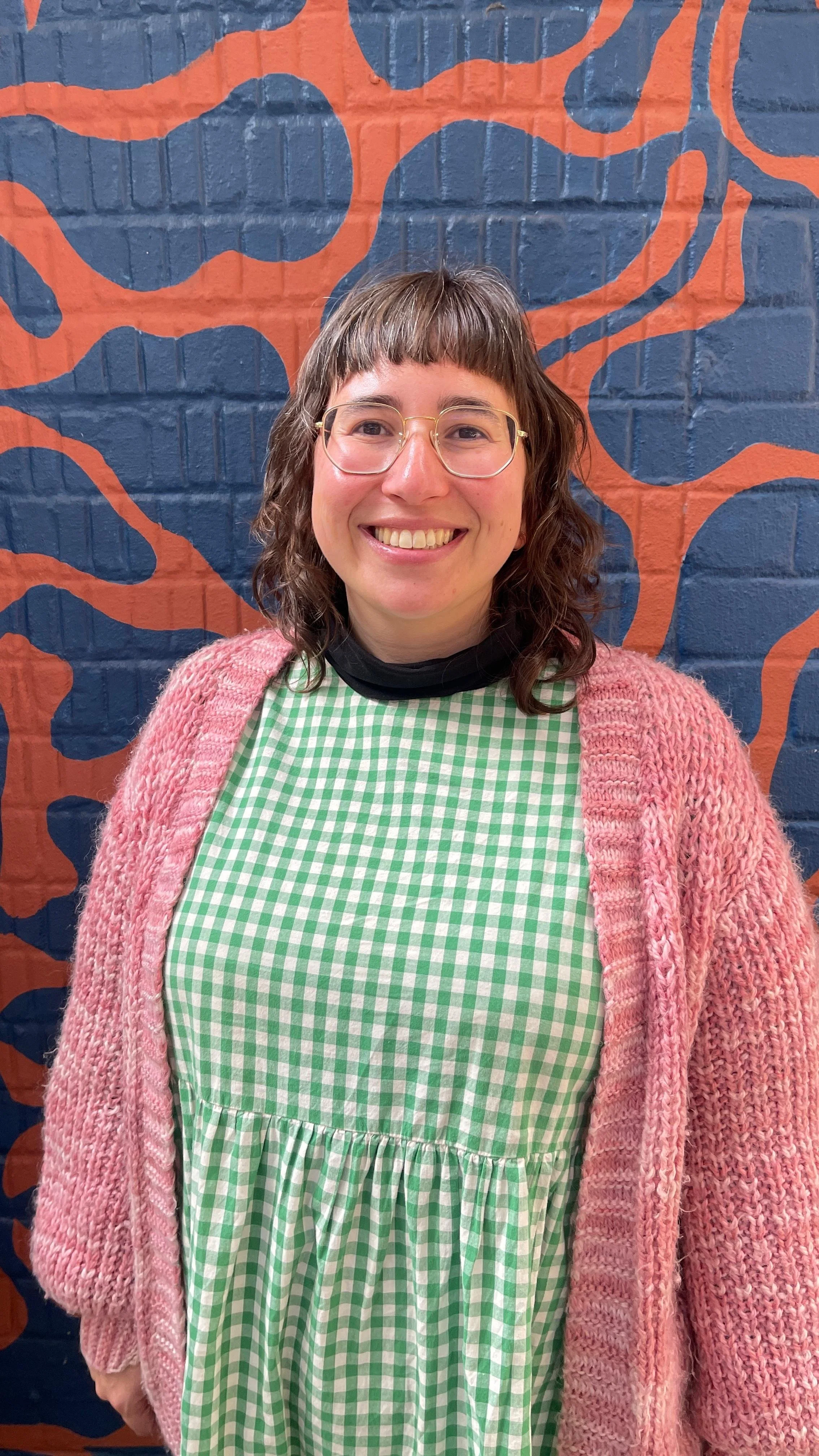
Jodie Dwolatzky
Jodie has a deep passion for children and their development. For her, being part of a child’s journey is both a great responsibility and one of life’s greatest joys. She treasures the way children remind us to live in the present and how they open the door to self-reflection and personal growth. Creating an environment of safety, love, and curiosity is at the heart of her work, and she finds equal joy in supporting parents as they walk alongside their children. Jodie believes that nurturing the youngest members of our society is one of the most meaningful ways to shape a better world, and she feels honoured to play a role in that.
Her inspiration has always come from witnessing the incredible ways children grow and develop. Jodie studied South African Sign Language and Linguistics at the University of the Witwatersrand, later completing her honours in South African Sign Language. She went on to pursue a Master of Science in Language Sciences, specialising in Sign Language and Deaf Studies, at University College London. Across her studies, she has been especially drawn to understanding how language develops in young children and how best to support their language and literacy journeys.
Guided by her love of working with children in their earliest years, Jodie also completed the AMI Montessori Diplomas for both 0–3 and 3–6 years with the Indaba Institute, as well as her NQF Level 5 in Early Childhood Development. These studies deepened her commitment to offering children a foundation of love, learning, and growth in the most formative years of life.
-

Tessa Nyirenda
With an academic background in Psychology and Sociology, and both her Honours and Master’s degrees completed in Sociology at Wits University, she is currently pursuing her PhD at Wits University, where her research focuses on childcare, policy support, and the intersections of work and labour.
Beyond her academic work, she has a deep love for working with young children. She believes in creating nurturing, engaging, and inclusive learning environments where every child feels safe, valued, and inspired to explore, discover, and grow at their own pace. She was fortunate enough to experience first-hand the benefits of early childhood development and childcare, and how that shapes a person and propels them in life. She also believes that childcare does not exist in a silo. Support comes in many forms, and just as it is important to ensure children receive high-quality, nurturing care, it is equally vital to support parents in their roles.
Like the mangrove tree, which withstands shifting tides while remaining deeply rooted, she believes children and parents can thrive when given strong foundations of care and support. This is the experience she hopes to nurture at Mangrove -resilience, growth, and the confidence to remain grounded even as life changes around them.
-
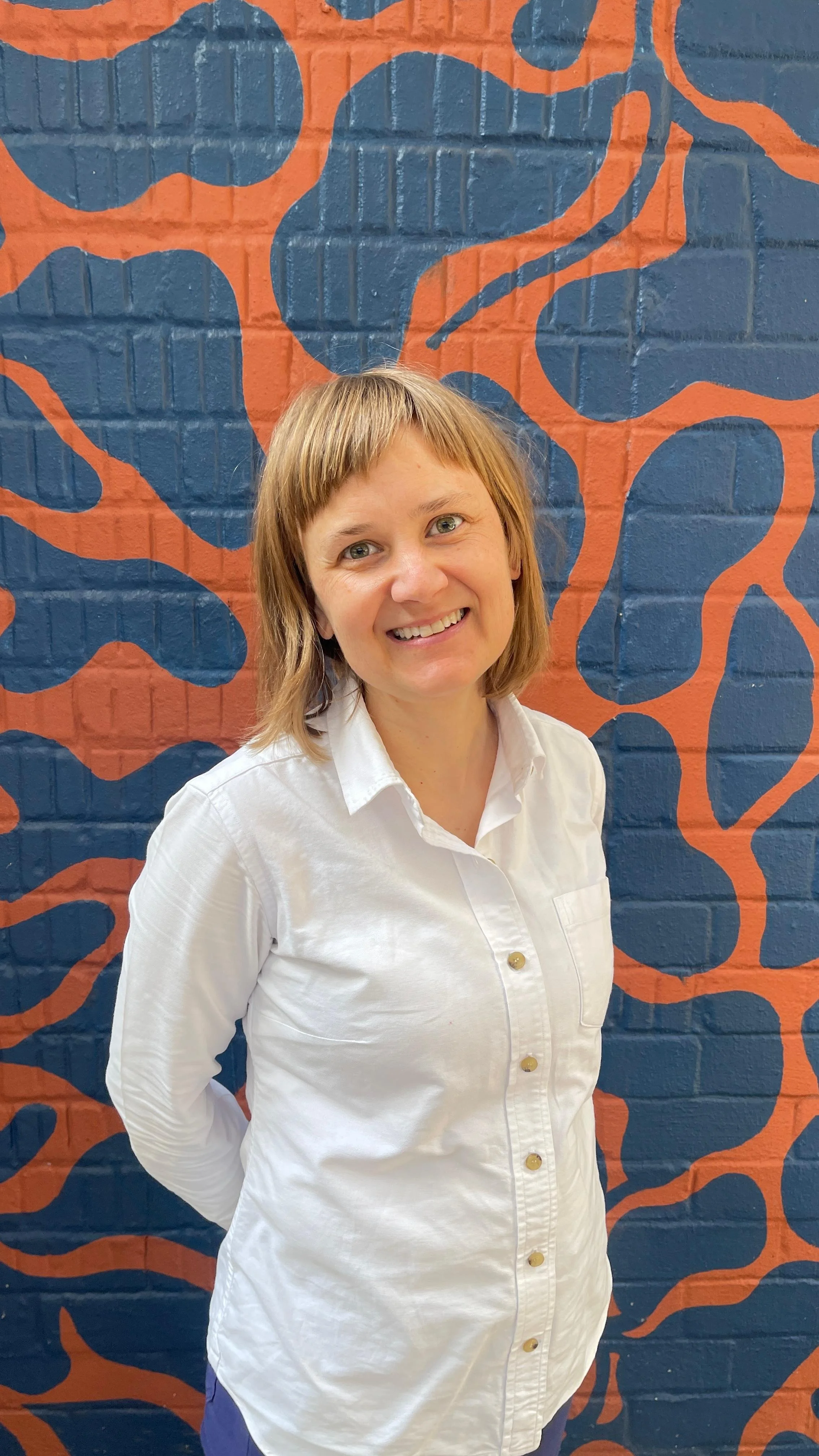
Elizabeth Kading
Liz received her Montessori training at the Washington Montessori Institute, the first AMI training centre in the United States. There, she studied under Janet McDonell and earned a Master’s in Montessori Education from Loyola University, Maryland.
She taught 3–6-year-olds in a public Montessori school in Washington, D.C. for three years before helping to found a public charter Montessori school in Baltimore, where she taught for two more years. She then served as a mentor teacher, observing and supporting classrooms for an additional two years before relocating to South Africa.
Having worked in U.S. public Montessori schools, Liz brings deep experience supporting children from diverse and underserved backgrounds. Since moving to Johannesburg, she has continued mentoring teachers - including at the school where Jodie currently teaches - and will play a key role in supporting the launch and success of our new school community.
Liz reflects: “Even with children from very challenging backgrounds, I witnessed the emergence of a joyful, responsible, and independent classroom community. The Montessori environment supports children in developing confidence, concentration, academic skills, and the ability to live in community - choosing meaningful work, caring for themselves and their space, and learning without infringing on others' freedoms. The growth I witnessed was not only social, but also academic and deeply human. These are life skills essential for long-term development and satisfaction.”